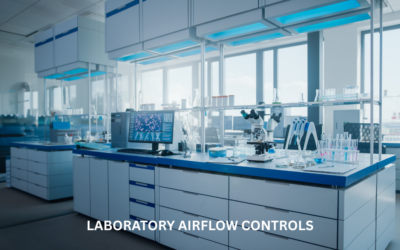
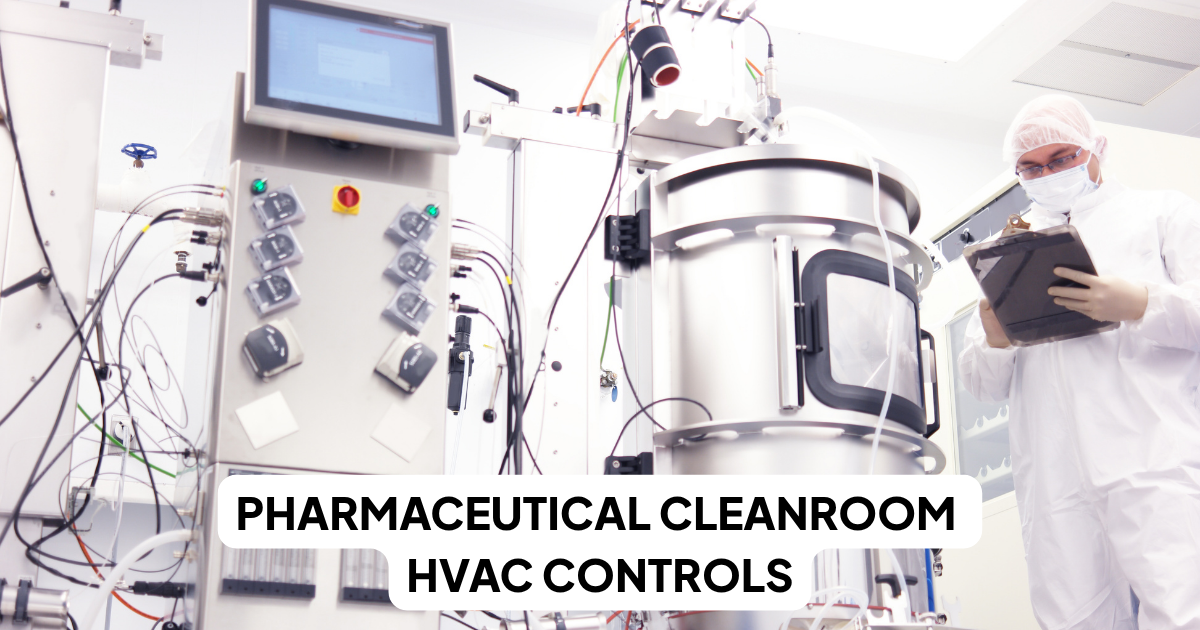
In a pharmaceutical cleanroom, the air is not a background detail. It protects the product, supports the process, and helps keep the facility compliant.
When temperature, humidity, pressure, or airflow move outside the intended range, the issue can become much more than a maintenance concern. It can lead to investigations, delayed production, rejected batches, and difficult audit conversations.
That is why pharmaceutical cleanroom HVAC needs more than basic scheduling and simple equipment alarms. It needs a controls strategy that gives facility teams clear visibility, faster response, and confidence that critical spaces are performing the way they should.
Cleanroom HVAC Is About Control
A standard commercial HVAC system is designed to keep people comfortable. A pharmaceutical cleanroom has a different job.
The system must help maintain the environmental conditions needed to protect products and processes. That includes stable temperature and humidity, controlled airflow, properly maintained room pressure, and reliable filtration performance.
For a facility team, that means HVAC controls cannot operate as a separate system in the background. They need to be part of a connected building automation system that gives operators a clear picture of what is happening across the cleanroom environment.
When a room begins to drift, the team needs to know quickly. More importantly, they need enough information to understand what caused the issue and what needs to happen next.
Pressure is one of the most important control points in pharmaceutical cleanrooms.
A pressure cascade directs airflow from cleaner spaces toward less critical areas. This helps prevent contaminants from moving into sensitive rooms where open product, sterile components, or critical manufacturing steps may be exposed.
The controls system must continuously monitor those pressure relationships across cleanrooms, airlocks, corridors, and support spaces. If a door is left open, an exhaust fan changes speed, or a supply damper does not respond correctly, the pressure relationship can change quickly.
That is why cleanroom pressure should not rely only on manual checks. A modern controls system can trend differential pressure, alarm on abnormal conditions, and help the facility team identify repeat issues before they affect production.
HBT recently covered similar airflow and pressure challenges in Lab Airflow Done Right: Fume Hoods, Pressure, and Validation. While laboratories and pharmaceutical cleanrooms have different operating requirements, both depend on precise airflow control and dependable monitoring.
Temperature and Humidity Need Consistency
Temperature and humidity control matter for more than comfort.
In pharmaceutical environments, unstable temperature or humidity can affect equipment performance, product handling, static control, room conditions, and the people working inside the space. These conditions need to remain within the operating limits established for the facility and process.
The challenge is that pharmaceutical HVAC systems are constantly responding to changing loads. Doors open and close. Personnel enter and exit. Equipment generates heat. Outdoor conditions shift throughout the day.
A properly configured BAS can help maintain setpoints by coordinating air handlers, terminal units, dampers, valves, exhaust systems, and related equipment. It also gives teams access to trend data, which can help them understand whether an issue is isolated or part of a larger pattern.
That visibility becomes especially valuable when a facility is trying to reduce troubleshooting time or prepare documentation for an internal review, customer audit, or regulatory inspection.
Alarms Should Help People Act
Too many alarms can make a controls system harder to use.
If operators receive constant notifications without enough context, it becomes difficult to separate a true cleanroom risk from routine noise. Important alarms may be missed, delayed, or handled without understanding the full issue.
A stronger approach is to build an alarm strategy around action. Each alarm should tell the operator what condition changed, where it happened, how serious it is, and what response may be needed.
For pharmaceutical cleanrooms, that may include alarms for:
- Loss of differential pressure between critical spaces
- Temperature or humidity moving outside the operating range
- Supply or exhaust fan status changes
- Damper or valve positions that do not match the command
- High filter pressure drop
- Communication loss from a key sensor or controller
The goal is not to create more alerts. The goal is to give the right people useful information early enough to protect the room, the process, and the product.
Trend Data Makes Troubleshooting Easier
When a cleanroom issue happens, the first question is usually simple: what changed?
Trend data helps answer that question. A BAS can track room temperature, relative humidity, differential pressure, fan status, damper position, valve position, and other performance points over time.
That makes it easier to see whether a pressure event followed a door opening, a fan-speed change, a failed actuator, or a larger sequence issue. It also gives facility teams a more complete view of system behavior than a single snapshot from the moment someone noticed a problem.
Trend data can support:
- Faster root-cause investigation
- Better maintenance planning
- More informed controls upgrades
- Clearer communication between facility, engineering, and quality teams
- Stronger records for audits and reviews
When data is organized and accessible, teams spend less time guessing and more time solving the actual problem.
Old Controls Can Create Hidden Risk
A cleanroom may appear to be operating normally while the controls system is carrying risk in the background.
Sensors can drift. Dampers can wear out. Control sequences can stop matching how the facility is actually used. Older controllers may not provide the data, alarm detail, or integration needed to support a modern pharmaceutical environment.
These problems often show up when the facility is already under pressure. A room fails to maintain differential pressure. An operator cannot identify the cause of an alarm. A team needs historical data that was never collected.
A controls assessment can help identify where the gaps are. It can also help a facility plan upgrades in phases instead of waiting for a critical failure or major renovation.
For organizations managing broader facility infrastructure, HBT’s work in BMS, SCADA and EPMS: How Data Center Control Systems Work Together shows how connected control platforms can improve visibility across complex environments.
Questions to Ask About Your Cleanroom Controls
Before planning your next cleanroom HVAC upgrade, ask these questions:
- Are pressure relationships monitored continuously in critical spaces?
- Can the BAS provide clear trend data when a deviation occurs?
- Do alarms help operators understand what action to take?
- Are current control sequences aligned with the way the facility operates today?
- Can the system support expansion, renovation, or process changes?
- Are facility teams manually collecting information that the BAS should already provide?
The answers can help determine whether the current system is only keeping equipment running or truly supporting the level of control a pharmaceutical cleanroom requires.